

A Critical Safety Guide for Diagnosing and Addressing High-Voltage Leaks in Your Electric Vehicle
- Immediate Safety Concern: The P0AA6 code signals a critical breach in your EV's high-voltage electrical isolation, posing a significant risk of electrical shock.
- Diverse Causes: From leaking battery cells and compromised high-voltage cables to coolant intrusion and physical damage, numerous factors can trigger an isolation fault.
- Professional Intervention is Key: While preliminary observations are safe, all hands-on diagnosis and repair of high-voltage components demand certified technicians with specialized training and equipment.
Electric vehicles (EVs) represent the cutting edge of automotive technology, offering a smooth, quiet, and efficient driving experience. However, like any sophisticated machine, they can encounter specific technical challenges. One of the most critical diagnostic trouble codes (DTCs) an EV owner might encounter is P0AA6: Hybrid/EV Battery Voltage System Isolation Fault. This code is not merely a minor inconvenience; it indicates a serious safety concern within your vehicle's high-voltage battery system, signaling a potential electrical leak that requires immediate and careful attention.
Understanding the P0AA6 code, its underlying causes, and the proper steps for diagnosis and repair is crucial for all EV owners, from novices to seasoned drivers. This comprehensive guide aims to demystify this complex issue, providing clear, actionable information while emphasizing the paramount importance of safety. We will explore the common culprits behind an isolation fault, detail how professionals approach diagnosis, outline safe owner-level checks, and provide real-world examples from popular EV models like Tesla, Nissan Leaf, Hyundai, and Toyota. By the end, you will have a robust understanding of how to manage an EV battery isolation fault, ensuring your vehicle remains safe and reliable on the road.
Decoding the P0AA6: What is an EV Battery Isolation Fault?
At its core, an EV Battery Isolation Fault (P0AA6) means your vehicle's sophisticated Battery Management System (BMS) has detected a compromise in the electrical insulation between the high-voltage (HV) battery system and the vehicle's metal chassis or low-voltage electrical systems. Think of your EV's high-voltage components, which can operate at hundreds of volts, as a powerful electrical river. For your safety and the system's integrity, this river must remain completely isolated from anything that could act as a ground path, such as the vehicle's body. The isolation system acts as an invisible barrier, preventing high voltage from reaching parts of the car that could be touched by occupants or maintenance personnel.
When the P0AA6 code appears, it signifies that this critical barrier has been breached. A small amount of high-voltage current is "leaking" to an unintended conductive path. This leakage can pose a severe risk of electrical shock, damage to other vehicle components, and in rare cases, even thermal events. Consequently, modern EVs are programmed to react decisively to this fault, often reducing power, preventing driving, or even blocking charging until the issue is resolved to protect both the vehicle and its occupants.
The Critical Role of Electrical Isolation
In an EV, the high-voltage system operates on a "floating ground" principle, meaning neither the positive nor the negative terminal of the high-voltage battery is directly connected to the vehicle's chassis. Instead, insulation provides the separation. The BMS continuously monitors the insulation resistance between the HV system and the chassis. If this resistance drops below a predetermined safe threshold, the P0AA6 code is triggered, alerting the driver and initiating safety protocols.
Unmistakable Signs: Symptoms of an Isolation Fault
When an isolation fault occurs, your vehicle will typically display several warning signs. Recognizing these can help you act quickly and appropriately:
- Illuminated Warning Lights: Expect to see a "Check Engine," "Service Hybrid System," or a battery warning light. Toyota Prius owners might recognize the iconic "Red Triangle of Death."
- "Stop Safely Now" or Reduced Power: Many EVs enter a "limp mode" or display urgent messages like "Stop Safely Now," significantly reducing power or even preventing the vehicle from entering "Ready" mode to ensure safety.
- Inability to Start or Charge: The vehicle might refuse to start, preventing engagement of the drive system, or it may be unable to accept a charge from an EV charger.
- Intermittent Issues: In some cases, the fault might appear intermittently, especially under specific conditions like heavy rain or high states of charge, only to disappear later. However, this does not mean the underlying issue has resolved itself.
Pinpointing the Problem: Common Causes of EV Battery Isolation Fault P0AA6
The P0AA6 code acts as a general alarm, indicating a problem somewhere within the high-voltage system. However, its root cause can vary widely. Professional diagnosis often involves looking for specific sub-codes that can narrow down the potential fault location. Here are some of the most frequent culprits:
Leaking Battery Cell Electrolyte
One of the most common causes, particularly in older hybrid vehicles like the Toyota Prius or some early Nissan Leaf models, involves battery cells themselves. Over time or due to manufacturing defects, individual battery cells can develop tiny leaks of electrolyte fluid. This fluid, being conductive, can then seep onto the battery casing or internal components, creating an unintended electrical path to the chassis and triggering the P0AA6 code.
Real-world Examples:
- Toyota Prius: Many instances of P0AA6 in Prius vehicles are linked to corroded battery modules and electrolyte leakage within the high-voltage battery pack, often visible as white, powdery residue.
- Nissan Leaf: Similar issues occur in Leaf models, where leaking pouch cells can allow electrolyte to contact the battery module's metal casing, causing an isolation fault.
Damaged High-Voltage (HV) Cables and Connectors
The high-voltage system relies on specially insulated cables, typically colored orange for easy identification, which route power throughout the vehicle. If these cables suffer physical damage—such as chafing against sharp edges, cuts from road debris, or pinching during previous repairs—their crucial insulation can be compromised. Similarly, connectors that are improperly seated, damaged, or suffer from water intrusion can create a conductive pathway, leading to an isolation fault.
Common Scenarios:
- Post-Collision Damage: Even minor accidents or underbody scrapes can damage HV cables or their protective conduits, leading to compromised insulation.
- Water Intrusion: Driving through deep water, heavy rain, or even persistent humidity can cause water to enter poorly sealed or damaged connectors, creating a short to the chassis.
Internal Faults within Inverters or DC-DC Converters
The inverter is responsible for converting the battery's DC power into AC power for the electric motor, while the DC-DC converter steps down the high voltage to charge the 12-volt auxiliary battery. Both are high-voltage components, and an internal fault, such as a component failure or degradation of internal insulation within these units, can lead to an isolation breach and trigger P0AA6.
Real-world Example:
- Tesla: Coolant leaks or internal component failures within the inverter unit have been observed to cause isolation issues, resulting in codes similar to P0AA6.
Coolant Leaks Affecting HV Components
Many EV battery packs and power electronics (like inverters) utilize liquid cooling systems to maintain optimal operating temperatures. If a leak develops in these cooling lines, especially within or near the high-voltage components, the conductive coolant can create an electrical path to ground, leading to an isolation fault.
Hyundai and Ford Examples:
- Hyundai EVs: Cases exist where isolation faults trace back to coolant ingress affecting HV components.
- Ford Focus Electric: Instances of P0AA6 have been linked to internal coolant leaks impacting battery pack connectors.
Other Contributing Factors
- Corrosion: Over time, corrosion on battery terminals, connectors, or within junction boxes can degrade insulation and create conductive paths.
- Faulty HVAC System Components: High-voltage heating elements or AC compressors can sometimes develop internal faults that lead to isolation breaches.
- Software Glitches or BMS Issues: While less common as a direct cause of physical leakage, a malfunctioning Battery Management System or faulty isolation sensors could theoretically misreport an isolation fault or fail to detect one.
Safety First: Navigating High-Voltage Systems
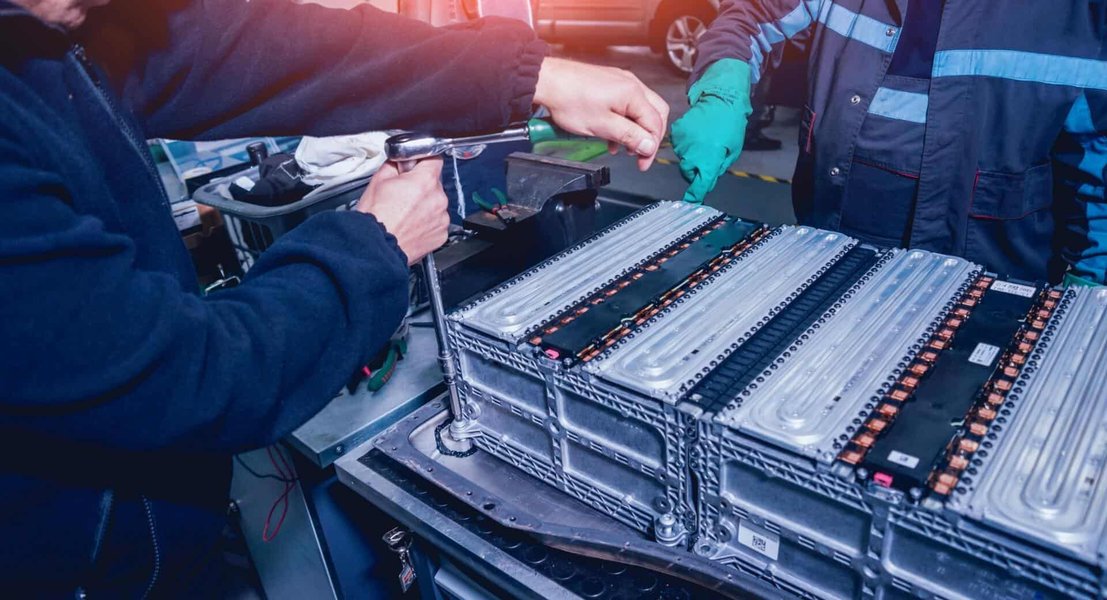
Specialized training and equipment are essential for safely working with high-voltage EV components.
This section cannot be stressed enough: Working with high-voltage systems in electric vehicles is extremely dangerous and can be lethal if proper precautions are not followed. The voltages present (often 200-800V DC) are more than enough to cause severe injury or death. Unless you are a certified EV technician with specialized training, equipment, and personal protective equipment (PPE), you must avoid direct contact with high-voltage components.
The Non-Negotiable Rules of High-Voltage Safety
For certified technicians, and for owners to understand the gravity of the situation, here are the fundamental safety protocols:
- Always Power Down: The HV system must be safely de-energized. This typically involves placing the vehicle in 'Park', turning off the ignition, removing the key or fob, and then physically disconnecting the high-voltage service disconnect plug.
- Wait for Discharge: Even after disconnecting power, high-voltage capacitors can retain a dangerous charge for several minutes. Always observe manufacturer-specified waiting times (often 5-10 minutes or more) before approaching HV components.
- Verify Zero Voltage: A qualified technician uses a CAT-III or CAT-IV rated multimeter to confirm that there is no residual voltage across critical HV points before any work begins.
- Personal Protective Equipment (PPE): Essential PPE includes Class 0 insulated gloves (rated for at least 1,000 volts), arc-flash rated face shields, non-conductive footwear, and appropriate clothing.
- Insulated Tools: Only tools specifically designed and rated for high-voltage work (featuring insulated handles) should be used.
- Lockout/Tagout Procedures: Implement strict lockout/tagout procedures to prevent accidental re-energization of the system while work is in progress.
- Never Work Alone: Always have another trained person nearby in case of an emergency.
SAFETY WARNING: "Either do it yourself unprotected, or please refer back to Figure 1. Please protect your techs and take high-voltage safety and PPE seriously. Your life depends on it." - MOTOR Magazine
Diagnosing P0AA6: What Professionals Do (and What Owners Can Safely Observe)
Accurate diagnosis of an isolation fault requires a systematic approach. While a certified technician will perform in-depth tests, owners can conduct preliminary, non-invasive observations to gather valuable information before seeking professional help.
Owner-Level Preliminary Checks (No HV Contact)
Before involving a professional, safely gather information. Remember, these checks involve no contact with orange high-voltage cables or components.
- Document Symptoms: Note the exact warning lights, messages, and any changes in vehicle behavior (e.g., loss of power, inability to charge).
- Observe Environmental Factors: Did the fault occur after heavy rain, a car wash, or driving through a puddle? This can point to water ingress.
- Visual Inspection (External): Look under the vehicle for obvious signs of physical damage to the battery casing, orange cables, or connectors. Check for fluid leaks (coolant, oil) on the ground underneath the vehicle.
- Check 12V Battery Health: A weak or failing 12-volt auxiliary battery can sometimes cause a cascade of electrical issues and trigger erroneous codes. While not directly related to HV isolation, ensuring the 12V system is healthy can rule out a common source of electrical gremlins.
- Scan for Codes: Using a basic OBD2 scanner (or vehicle-specific apps like Leaf Spy for Nissan Leaf or FORScan for Ford), read the P0AA6 code and any associated sub-codes. These sub-codes often provide crucial hints about the specific location of the fault (e.g., battery module, inverter, etc.).
Professional Diagnostic Procedures
For certified technicians, diagnosis involves a multi-step process with specialized tools:
- Advanced Code Retrieval: Technicians use OEM-specific diagnostic tools (like Toyota Techstream) to read detailed sub-codes and freeze-frame data, which pinpoint the exact conditions under which the fault occurred.
- Visual Inspection (Detailed): After safely depowering the HV system, technicians meticulously inspect all HV components for fluid leaks, corrosion, physical damage, and proper connection of harnesses. This includes checking battery modules, HV cables, connectors, inverters, and charging ports.
- Insulation Resistance Testing: This is the cornerstone of isolation fault diagnosis. A specialized tool called a megohmmeter (insulation tester) is used to measure the resistance between the high-voltage conductors and the chassis ground. Industry standards generally require resistance values greater than 1,000 ohms per volt (e.g., >400,000 ohms for a 400V system).
- Component Isolation Testing: To pinpoint the faulty component, technicians systematically disconnect sections of the HV system (e.g., battery pack, inverter, motor, AC compressor) and retest the isolation resistance. If the resistance returns to normal after disconnecting a specific component, that component or its associated wiring is likely the source of the leak.
- Leak Detection (e.g., Smoke Tests): If a battery pack leak is suspected, some shops may employ smoke tests to pressurize the battery housing and physically locate the leak point.
"An isolation fault is triggered any time there is continuity between the high-voltage system and chassis ground. This fault is extremely important, and proper diagnosis is crucial for safety." - OEM Technical Bulletin
The Path to Resolution: Fixing an EV Battery Isolation Fault
The repair strategy for a P0AA6 code is entirely dependent on the identified root cause. There's no one-size-fits-all solution, and the complexity can range from relatively minor fixes to significant component replacements.
Addressing Leaking Battery Cells or Modules
If diagnosis points to leaking electrolyte from battery cells, the repair often involves:
- Module Replacement: For vehicles with modular battery packs (e.g., Toyota Prius, Nissan Leaf), individual faulty modules can sometimes be replaced rather than the entire battery pack. This is a complex procedure requiring specialized tools to open the battery pack, replace the module, clean up any leaked electrolyte, and properly reseal the pack.
- Pack Resealing and Testing: After component replacement, the battery pack must be meticulously resealed, and a pressure or smoke test performed to ensure its watertight integrity.
Repairing Damaged HV Cables and Connectors
When damaged wiring or connectors are the culprits:
- Cable Replacement/Repair: Compromised high-voltage wiring harnesses must be replaced or expertly repaired following manufacturer specifications. This includes proper insulation and ensuring connections are clean, dry, and securely seated.
- Sealing and Drying: If water intrusion caused the fault, the affected areas must be thoroughly dried, and any damaged seals or connectors replaced to prevent recurrence.
Rectifying Inverter or DC-DC Converter Issues
If the fault is traced to internal component failure within the inverter or DC-DC converter, the entire unit may need to be replaced. These are typically expensive components, and their replacement requires specialized training and recalibration.
Sealing Coolant Leaks and Cleaning Contaminated Components
For coolant-related isolation faults:
- Leak Repair: The source of the coolant leak must be identified and repaired, which might involve replacing hoses, pumps, or other cooling system components.
- Decontamination: Any high-voltage components contaminated by conductive coolant must be thoroughly cleaned and dried. In some cases, prolonged exposure to coolant may necessitate component replacement if corrosion or irreparable damage has occurred.
DIY vs. Professional: Knowing Your Limits
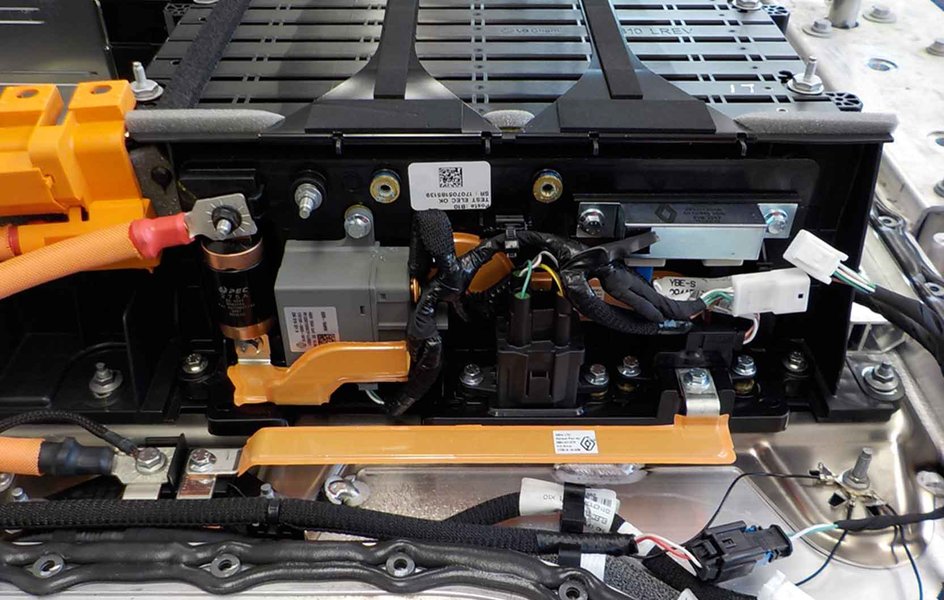
Specialized EV technician training covers high-voltage diagnostics and repairs.
Given the inherent dangers of high-voltage systems, it is absolutely crucial to understand the distinction between tasks an owner can safely perform and those that unequivocally require a certified professional.
What You Can Safely Do (and Why)
Your role as an EV owner primarily involves observation, information gathering, and basic, non-invasive maintenance. These steps are safe because they do not involve direct contact with high-voltage components:
- Code Reading with OBD2 Scanner: Use a personal OBD2 scanner or app (e.g., Leaf Spy for Nissan Leaf, FORScan for Ford) to read the P0AA6 code and any sub-codes. This information is invaluable for your technician.
- Thorough Visual Inspection: Safely inspect the exterior of your vehicle for fluid leaks, damaged orange cables (from a distance), or signs of water intrusion in the cabin or cargo area.
- 12V Battery Check: Test the health of your 12-volt battery and ensure its connections are clean and secure.
- Environmental Context: Note down when the fault occurred (e.g., after rain, extreme temperatures, or a car wash) and any recent service history.
- Consult Your Owner's Manual: Familiarize yourself with your vehicle's specific warning indicators and initial safety procedures.
When to Absolutely Call a Certified EV Professional
For any hands-on work, detailed diagnosis, or repair of high-voltage components, professional intervention is non-negotiable. Certified EV technicians possess:
- Specialized Training: They are trained to safely work with HV systems, often holding certifications like IMI Level 4 or equivalent.
- Appropriate PPE: Technicians use insulated gloves, face shields, and other safety gear designed for HV environments.
- High-Voltage Rated Tools: They have access to insulated tools, megohmmeters, and other diagnostic equipment essential for safe and accurate testing.
- OEM Diagnostic Equipment and Procedures: Access to manufacturer-specific software and detailed repair procedures is crucial for accurate diagnosis and repair.
- Expertise in Battery Pack Work: Disassembling, repairing, and resealing battery packs is a highly specialized task that must only be performed by trained professionals.
Real-World Examples: P0AA6 Across EV Brands
While the P0AA6 code is universal, its manifestations and common causes can vary slightly between manufacturers and models. Understanding these real-world scenarios can provide valuable context.
Toyota Hybrids (Prius, Camry Hybrid)
- Common Cause: Electrolyte leakage from individual NiMH battery modules within the hybrid battery pack. This often appears as white, powdery corrosion. Water intrusion into the spare tire well can also lead to issues if it reaches the battery.
- Symptoms: "Red Triangle of Death," "Check Hybrid System" message, reduced power, or inability to enter READY mode.
- Repair: Often involves replacing specific leaking modules, cleaning corrosion, and resealing the battery pack.
Nissan Leaf
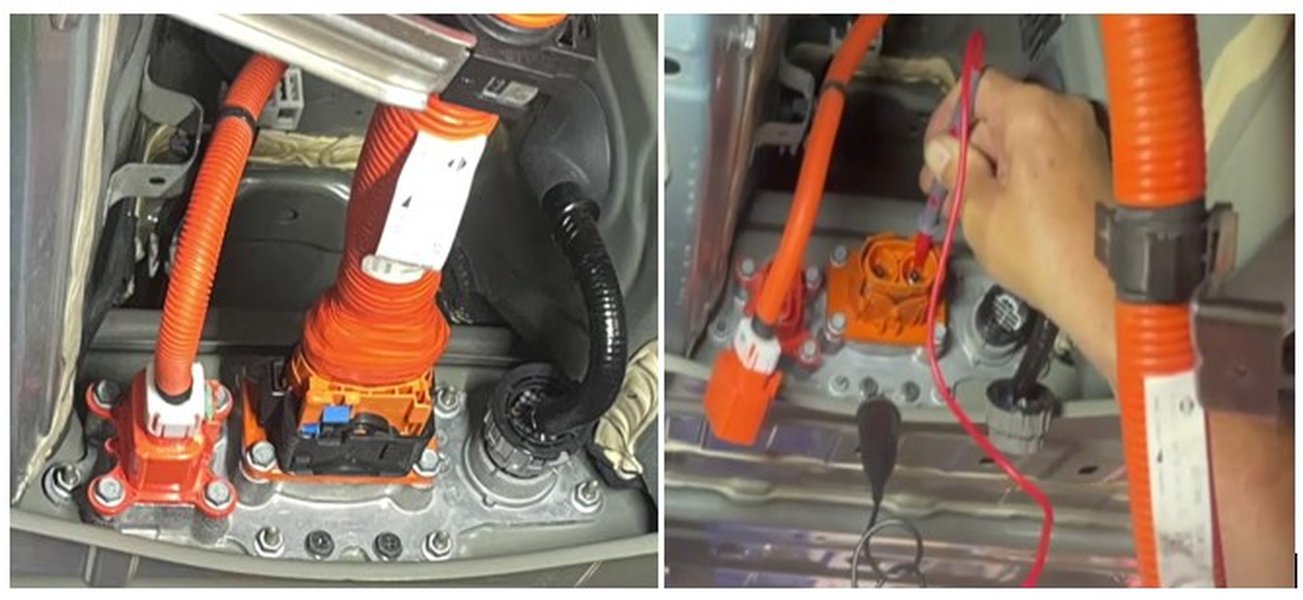
A Nissan Leaf battery pack, where individual modules might leak.
- Common Cause: Leaking pouch cells within the battery pack, allowing conductive electrolyte to touch the metal casing. External water ingress into connectors or junction boxes.
- Symptoms: "Service EV System" warning, reduced range, inability to charge, P0AA6 code (sometimes with sub-codes like EVC-157).
- Repair: Replacement of faulty battery modules, careful cleaning, and ensuring all seals and connectors are intact. The Leaf Spy app is a popular tool among owners for preliminary diagnostics, providing detailed battery health data.
This video demonstrates a real-world high-voltage module swap in a Nissan LEAF to fix an isolation fault:
The video illustrates the intricate process technicians undertake to diagnose and repair an isolation fault within a Nissan Leaf's battery pack, specifically addressing a leaking module. It underscores the precision and expertise required for such high-voltage repairs.
Hyundai/Kia EVs (Ioniq Electric, Kona EV)
- Common Cause: Isolation faults can stem from the battery pack, the Integrated Charging Control Unit (ICCU)/DC-DC converter, or even the HV AC compressor. Coolant leaks affecting HV wiring are also documented.
- Symptoms: Generic warning lights, reduced power, or charging issues.
- Repair: Diagnosis often involves isolating which major HV component is causing the leak, followed by repair or replacement of that specific component.
Tesla (Model 3, S, X, Y)
- Common Cause: Coolant leaks contaminating connectors or internal components within the battery pack or inverter. Physical damage to underbody HV cables post-collision.
- Symptoms: Various dashboard warnings, reduced performance, or charging limitations. Tesla's advanced diagnostics often provide specific internal fault codes.
- Repair: Involves identifying and sealing coolant leaks, replacing damaged connectors or components, and rigorous isolation testing post-repair.
Data at Your Fingertips: EV Battery Specifications
To help you better understand the context of your EV's battery system, here's a comparison of key specifications for some popular models. These figures highlight the scale and complexity of the components involved in an isolation fault.
Battery Capacity and Range Comparison
| Model | Battery Capacity (kWh) | Typical Range (Miles) | Voltage Range (Volts) |
|---|---|---|---|
| Tesla Model 3 Long Range | 75-82 | 333-358 | ~350-450 |
| Nissan Leaf (62 kWh) | 62 | 226 | ~350-400 |
| Hyundai Ioniq 5 Long Range | 77.4 | 303 | ~600-800 |
| Toyota Prius Prime (PHEV) | 8.8-13.6 | 25-44 (EV only) | ~200-250 |
Note: Range figures are EPA estimated and can vary based on driving conditions and vehicle year. Voltage ranges are approximate and vary by specific model and year.
Proactive Measures: Preventing Future Isolation Faults
While some isolation faults can occur unexpectedly, adopting good maintenance habits and being mindful of your vehicle's environment can significantly reduce the risk of encountering P0AA6.
- Avoid Deep Water: Although EVs are designed to be water-resistant, driving through very deep puddles or floodwaters can overwhelm seals and lead to water intrusion into HV components.
- Regular Inspections: Adhere to your manufacturer's recommended service intervals, which often include checks of the high-voltage system for early signs of wear, damage, or leaks.
- Monitor Coolant Levels: If your EV has a liquid-cooled battery or inverter, regularly check the coolant reservoirs (if accessible) and address any visible leaks promptly. Use only manufacturer-approved coolant types.
- Careful Driving: Avoid harsh impacts from potholes or road debris that could physically damage the battery casing or underbody HV cables.
- Address Recalls: Stay informed about any recalls or service campaigns related to your vehicle's high-voltage system and address them promptly.
- Post-Collision Checks: After any collision, even seemingly minor ones, have the high-voltage system inspected by a certified professional, as unseen damage can lead to future isolation faults.
Frequently Asked Questions About P0AA6
Conclusion: Prioritizing Safety for a Sustainable EV Future
An EV Battery Isolation Fault (P0AA6) is a critical diagnostic code that demands immediate attention. It serves as your vehicle's warning system for a potential breach in the crucial electrical insulation of its high-voltage components, posing significant safety risks. While the information in this guide empowers you with knowledge about the fault and its common causes, the paramount takeaway is the importance of professional expertise.
For any hands-on diagnosis or repair involving the high-voltage system, always defer to certified EV technicians equipped with the necessary training, specialized tools, and personal protective equipment. Your safety, and the safety of others, is not negotiable. By understanding the context of the P0AA6 code, performing safe preliminary observations, and promptly engaging qualified professionals, you ensure your electric vehicle continues to operate safely and reliably, contributing to a sustainable and efficient future of transportation. Drive safely, and address those warning lights promptly!
